
Risk Taking and Leadership
The best leaders are calculated risk takers. This article looks at the factors that stop councils embracing appropriate risk, and what it takes to overcome them.
In every organisation, the best leaders are calculated risk takers. The ability to take risks following prudent assessment is an essential leadership prerequisite. Nobody unwilling to take calculated risks belongs on a management team. Leadership involves empowering everyone in the organisation to be less risk averse, not through a cavalier disregard for safety, but by encouraging appropriate creative thinking.
While CEOs may articulate visions of being light on their feet and taking an entrepreneurial approach, real organisational change depends on addressing six blockage factors.
1. Credibility
Staff need conviction that leadership supports risk taking despite the potential for failure. This requires integrity: consistently doing what you say you will do. LG Services Group emphasises this trait in leadership development, using Hogan assessments and organisational reviews.
2. The rumour mill
Internal grapevine narratives often overshadow official communications. Horror stories about failed risk takers discourage innovation. An effective internal communications strategy is essential to counteract negative narratives.
3. Celebrating success
Publicly recognising staff who thoughtfully took risks encourages others. By publicly thanking risk takers, organisations encourage others to buy in to a more progressive approach.
4. Tackling middle management blockages
Middle managers often resist change more than senior leaders. Without their support, frontline staff won't embrace creative approaches, as they interact more with line managers than with the CEO.
5. Addressing the fear factor
Fear of change, failure and even success creates organisational inertia. Staff may fear appearing disloyal by promoting progressive approaches in dysfunctional cultures where "the way we do things around here" dominates.
6. What's the point?
Staff need to understand the strategic context. Why is the council becoming less risk averse? How do individual actions connect to Community Strategic Plan priorities?
Three attributes for modern leaders
Innovation. Leaders recognise promising ideas and can envision a path from concept to implementation, sharing their enthusiasm with colleagues, customers and councillors.
Knowledge. Progress requires trial and error. Improving service quality and efficiency demands that senior managers embrace calculated risk taking.
Change. Councils increasingly appoint CEOs as agents for change. Outstanding leadership during transformation prevents poor morale, negative responses and organisational instability.
The leadership challenge involves confronting fear itself: fear of failure, of success, of appearing foolish or ignorant, or of seeming aggressive. Bold leaders who embrace calculated risks drive local government forward toward world class service delivery.
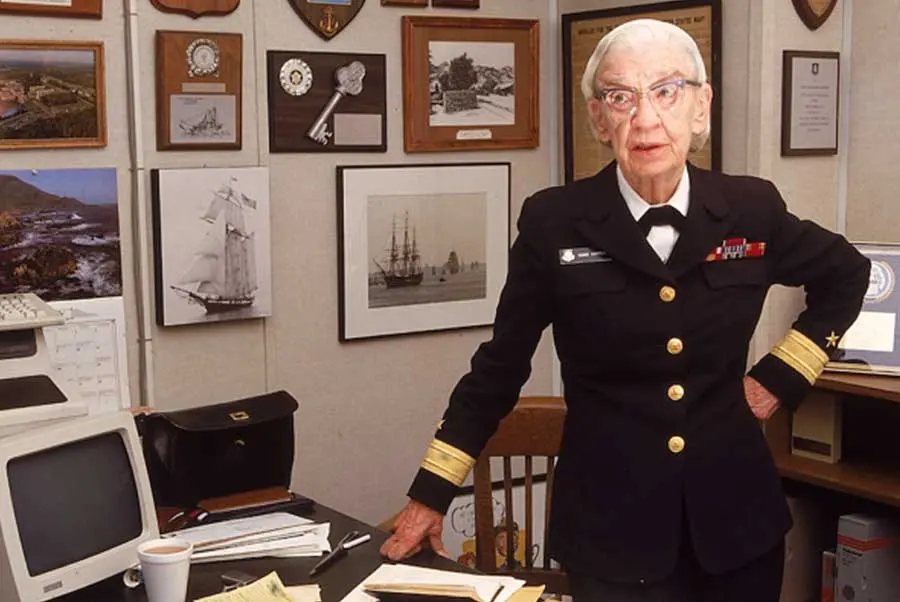
As Rear Admiral Grace Hopper put it, you manage things and you lead people. Leadership means having a clear vision and motivating people toward it, distinct from managing time, tasks and finance.