
Harnessing Emotional Intelligence: Empowering Leadership in Local Government
Why emotional intelligence has become a vital skill for council leaders, and practical ways to build self-awareness, empathy and resilient teams.
In today's dynamic and interconnected workplace, effective leadership extends far beyond technical skills and qualifications. Emotional intelligence has emerged as a vital competency for CEOs, directors and managers in local government in Australia. The ability to recognise, understand and manage emotions, both within oneself and among team members, can transform the workplace into a hub of collaboration, innovation and employee wellbeing. This article explores the significance of emotional intelligence and provides practical insight into how leaders in local government can apply it to foster a positive work environment and achieve organisational success.
The power of emotional intelligence
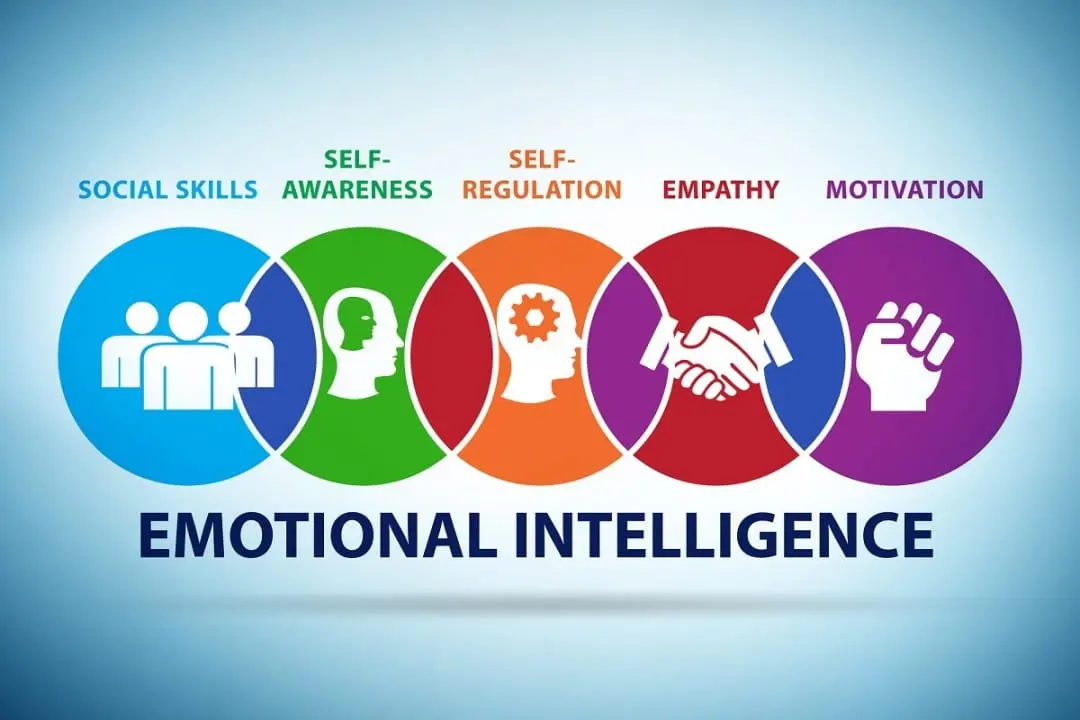
Emotional intelligence encompasses a range of skills, including self-awareness, self-regulation, empathy, motivation and social skills. Leaders with high emotional intelligence can create a culture of trust, inspire their teams and effectively navigate challenges. By prioritising emotional intelligence, CEOs, directors and managers can benefit in the following ways:
- Enhanced communication. Emotional intelligence enables leaders to communicate clearly, listen attentively and convey empathy.
- Effective decision making. Emotionally intelligent leaders recognise how feelings influence judgment, incorporating emotional awareness into analytical thinking for balanced decisions that reflect stakeholder perspectives.
- Building resilient teams. By displaying empathy, offering encouragement and promoting a positive workplace culture, leaders can foster resilience, increase job satisfaction and reduce stress.
Developing emotional intelligence
Cultivating emotional intelligence is an ongoing journey that requires self-reflection, learning and practice. Key strategies include:
- Self-awareness. Leaders should invest time in understanding their emotions, strengths, weaknesses and triggers through regular self-assessment and feedback.
- Empathy and active listening. By genuinely seeking to understand their team members' perspectives, leaders foster trust, collaboration and inclusive decision making.
- Emotional regulation. Leaders can manage emotions effectively by remaining calm during stress, responding thoughtfully and maintaining a positive perspective.
- Continuous learning and development. Engaging in workshops, training programs or coaching enhances emotional intelligence skills.
Embedding emotional intelligence in the local government workplace
- Promote a culture of trust. Foster inclusive environments where employees can comfortably express their thoughts and emotions.
- Lead by example. Demonstrate emotional intelligence through daily interactions and decision making.
- Provide emotional support. Offer resources, mentorship and systems that help employees navigate challenges.
- Embrace diversity and inclusion. Create environments that value differences and encourage cross-team collaboration.
Conclusion
Emotional intelligence has become essential for effective leadership in local government. Leaders who prioritise it can create positive work environments, drive employee engagement and foster organisational success by cultivating self-awareness, empathy and emotional regulation.